Project Management

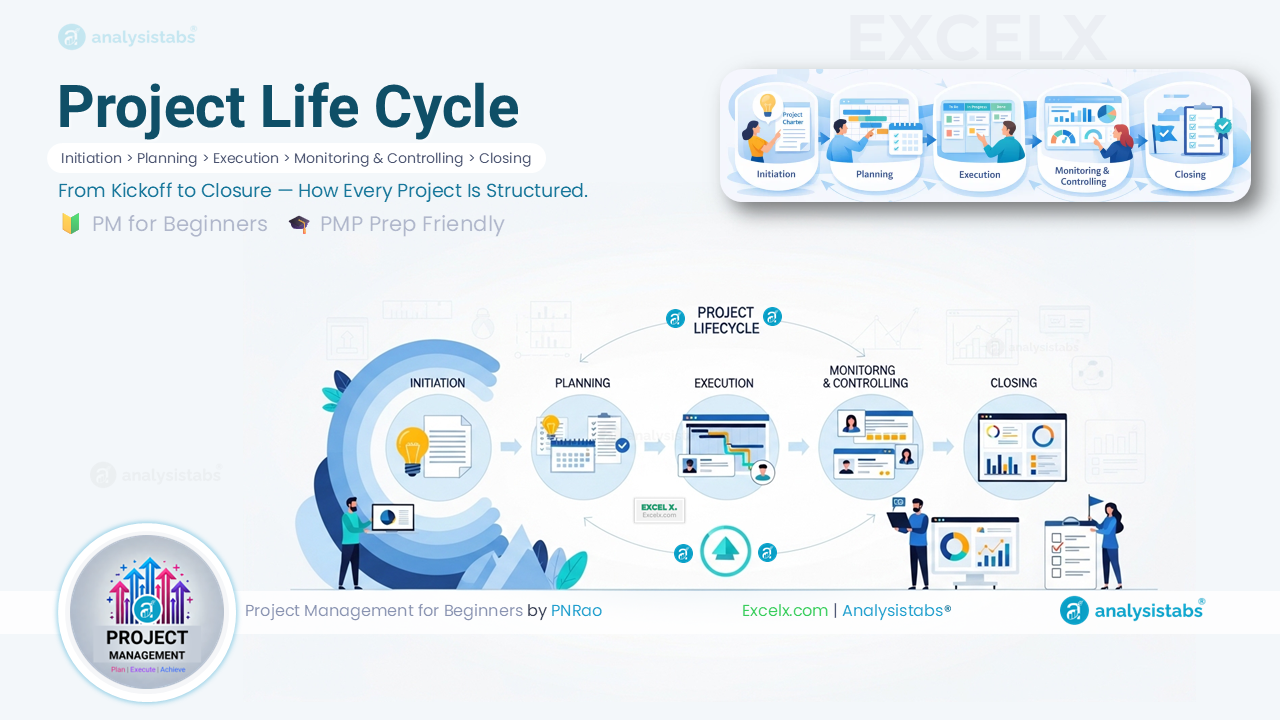
What Is a Project Lifecycle?

A project lifecycle is the sequence of phases a project passes through from its initiation to its formal closure. Every project — regardless of industry, size, or methodology — has a lifecycle. Understanding it is fundamental to project management because the lifecycle determines how the project is planned, governed, executed, and closed. This guide explains what a project lifecycle is, what the main phases are, which types of lifecycle exist, and how to choose the right one.

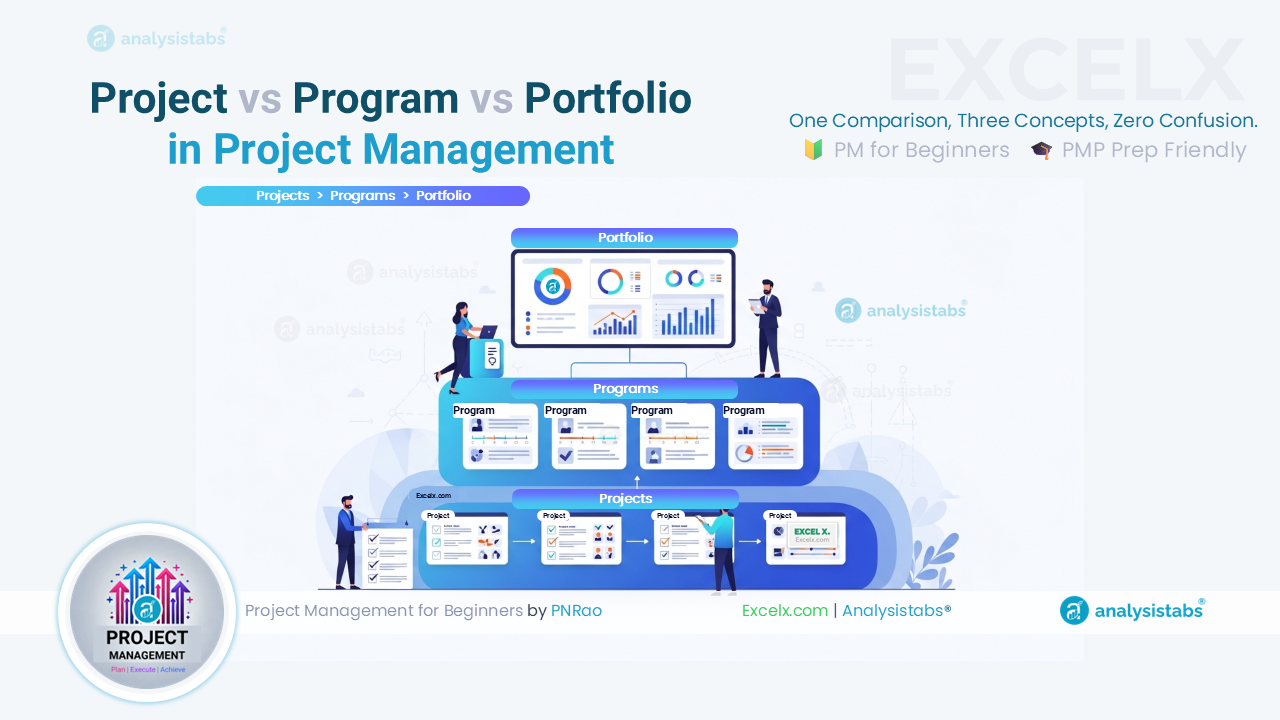
Project vs Program vs Portfolio: What’s the Difference?

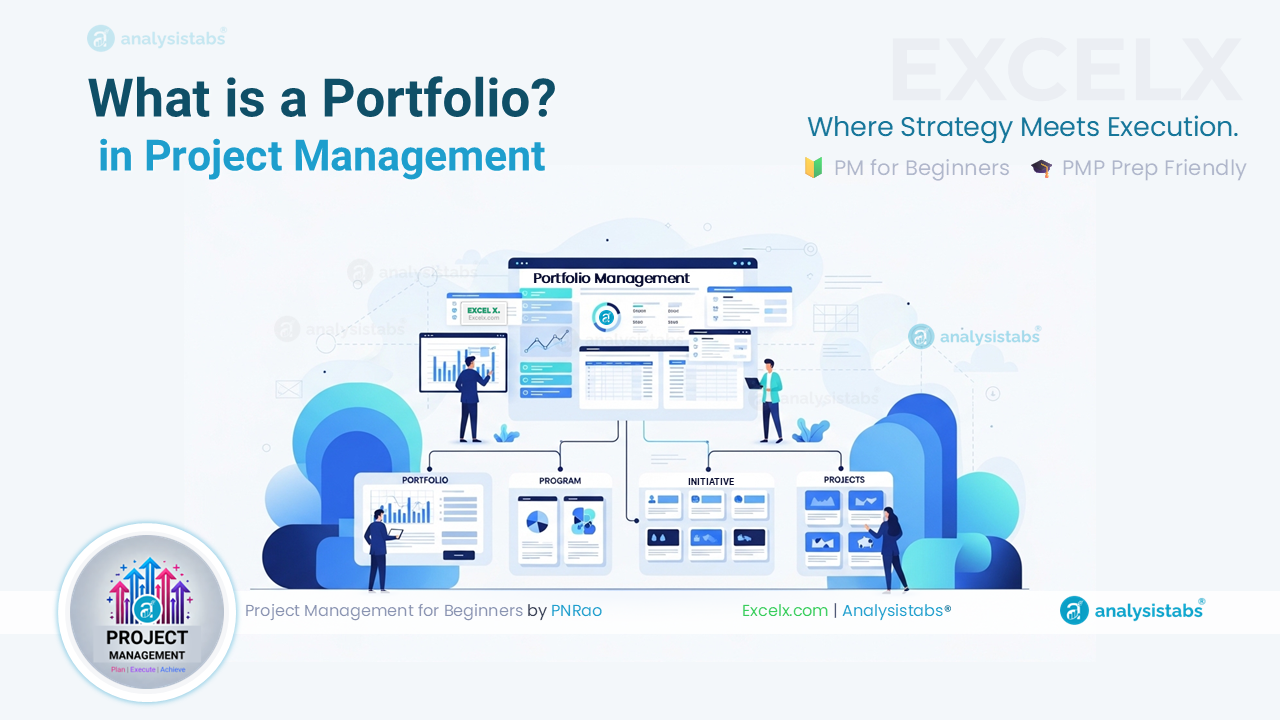
Project vs program vs portfolio is one of the most frequently tested and most commonly confused distinctions in project management. A project delivers a specific output. A program delivers a strategic benefit that no single project could achieve alone. A portfolio executes the organization's strategy by managing the full collection of projects and programs as a single investment. This post puts all three side by side in a single definitive reference.

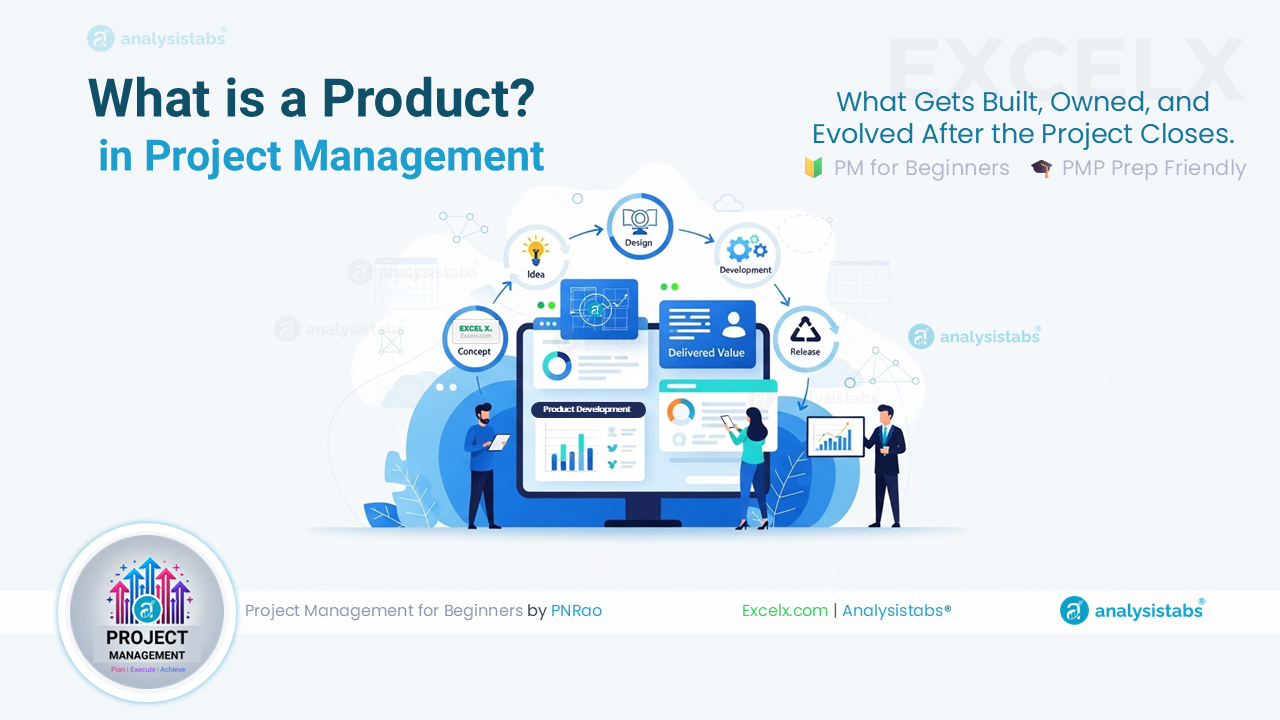
What Is a Product in Project Management?

A product in project management is a deliverable that continues to exist, generate value, and require ongoing management long after the project that created it has closed. Unlike a project, which is temporary, a product is permanent until it is retired. This guide explains what a product is, how it differs from a project and a program, what a product manager does, and why the product lifecycle extends far beyond the project that delivered it.

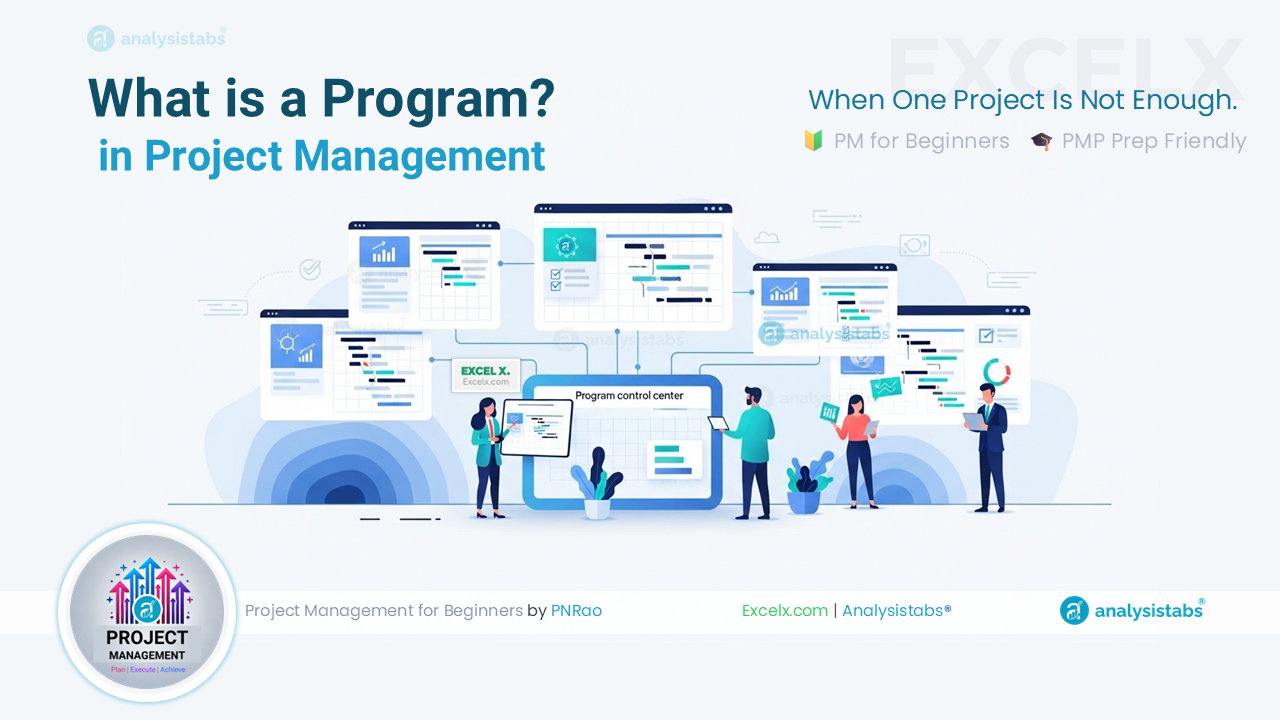
What Is a Program in Project Management?

A program in project management is a group of related projects managed together to deliver benefits that no single project could achieve on its own. Unlike a project, a program has no fixed end date — it runs until its strategic benefit is fully realized. This guide explains what a program is, how it differs from a project and a portfolio, and what a program manager actually does.

What Is a Portfolio in Project Management?

A portfolio in project management is the complete collection of projects, programs, and operations an organization manages to execute its strategy and maximize value from its investment. Unlike a project or program, a portfolio has no defined end date — it evolves continuously as the organization's strategy evolves. This guide explains what a portfolio is, how it differs from a program and a project, what a portfolio manager does, and how portfolio management decisions get made.

What Are KPIs in Project Management?

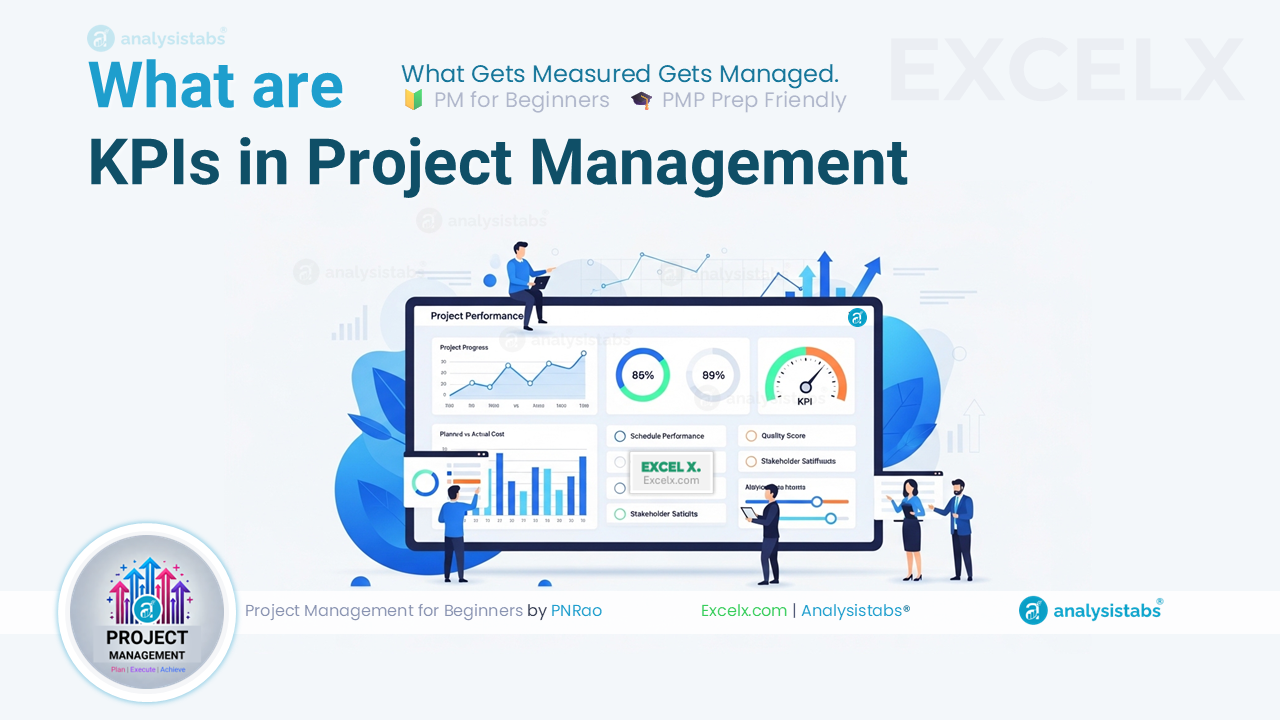
KPIs in project management are quantifiable measures that tell you whether a project is on track across schedule, cost, scope, quality, and benefits. Without KPIs, project status is opinion. With them, it is evidence. This guide covers the definition, the five KPI categories, SPI and CPI explained, how to set KPIs effectively, and real-world examples across five industries.

What Does Project Success Really Mean in Project Management?

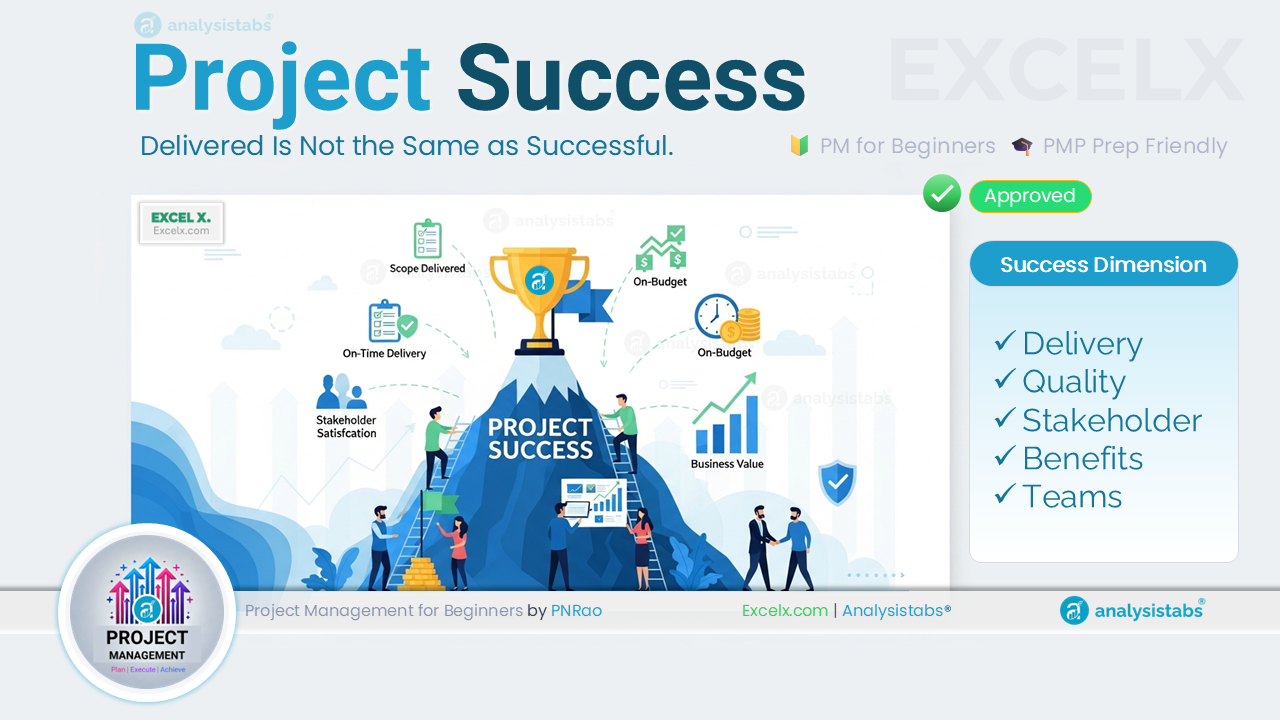
Project success means more than on time, on budget, and on scope. A project that meets all three constraints but delivers a system nobody uses has not succeeded. This guide covers the five dimensions of project success, how to define success criteria before planning begins, and how to measure outcomes that last well beyond go-live.

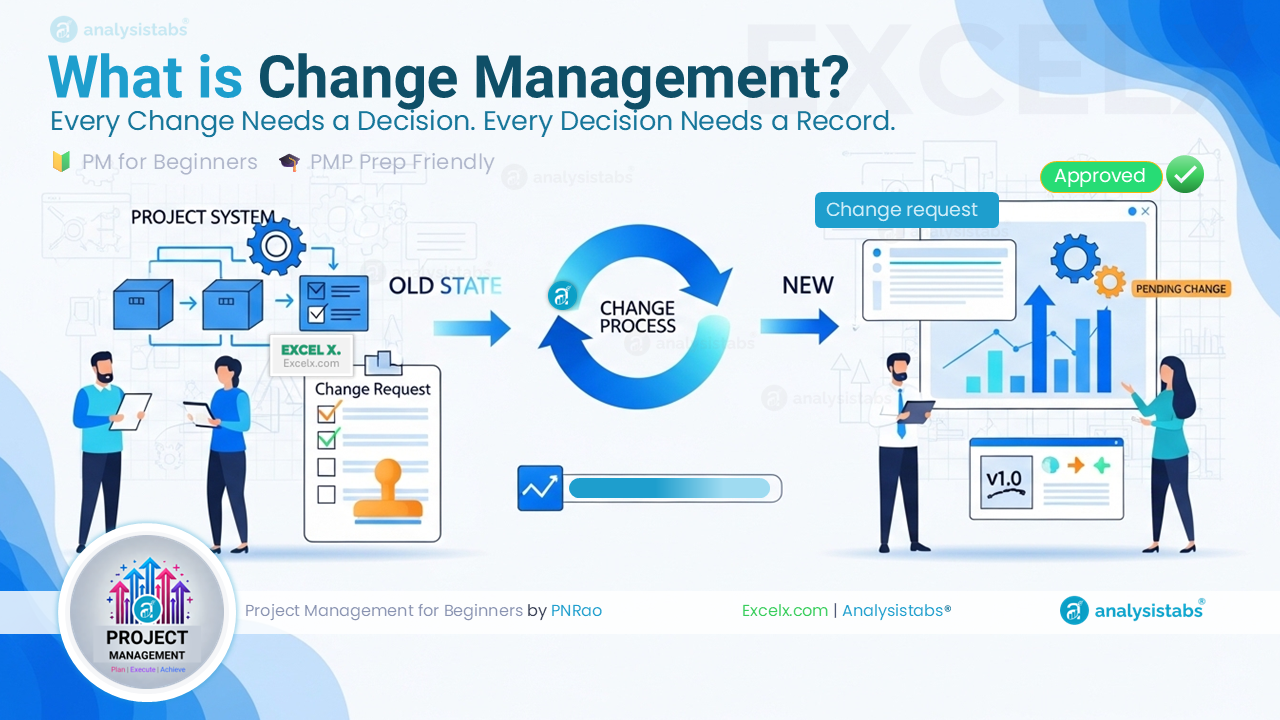
What Is Change Management in Project Management?

Change management in project management means two things: the change control process that governs how scope, schedule, and cost changes are handled within a project, and organizational change management that ensures people actually adopt what the project delivers. This guide covers both definitions, the change control process, the ADKAR model, why change fails, and real-world examples across five industries.

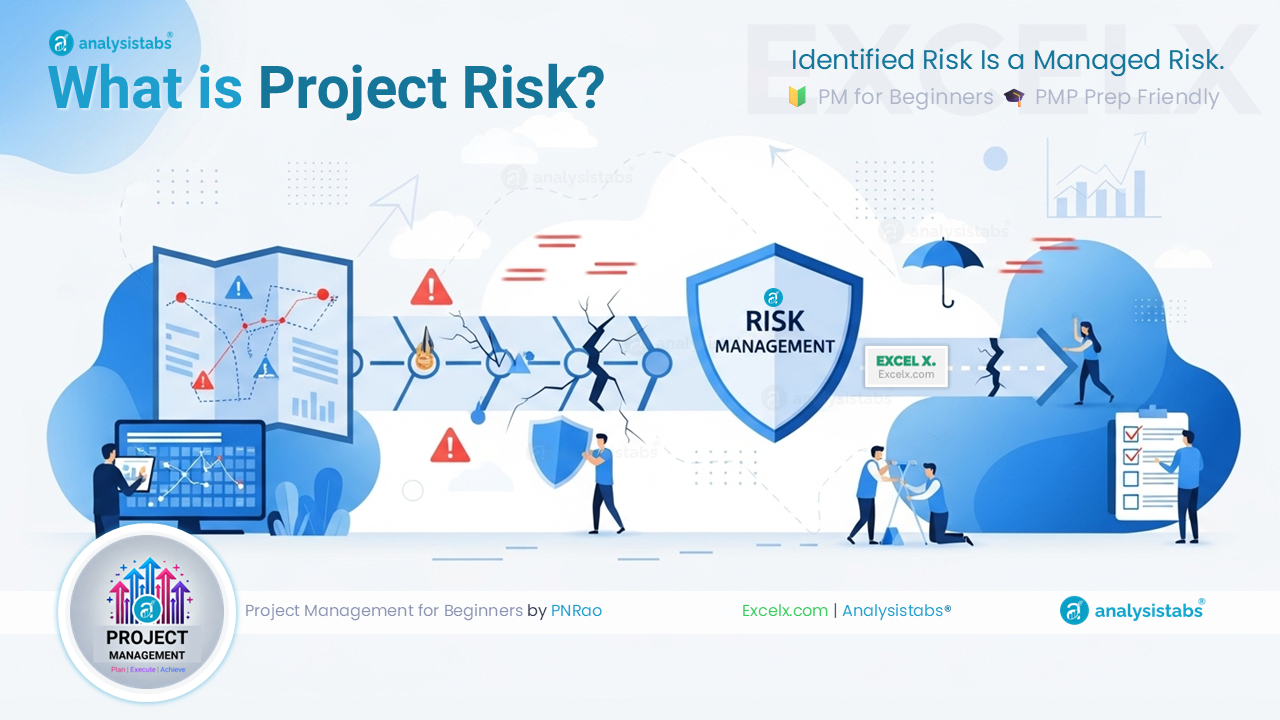
What Is Project Risk in Project Management?

Project risk is any uncertain event that could positively or negatively affect your project's objectives. Every project carries risk — the only question is whether it has been identified and planned for. This guide covers the definition, 7 risk categories, how to build a risk register, the 4 response strategies, and a practical risk management framework for any project.

What Is the Iron Triangle in Project Management?

The iron triangle in project management defines the three core constraints — scope, time, and cost — that govern every project outcome. Change one side and the others are affected. This guide covers the official definition, how each constraint works, real-world examples across five industries, and a practical trade-off framework for managing constraint conflicts before they become project crises.

Go to Top